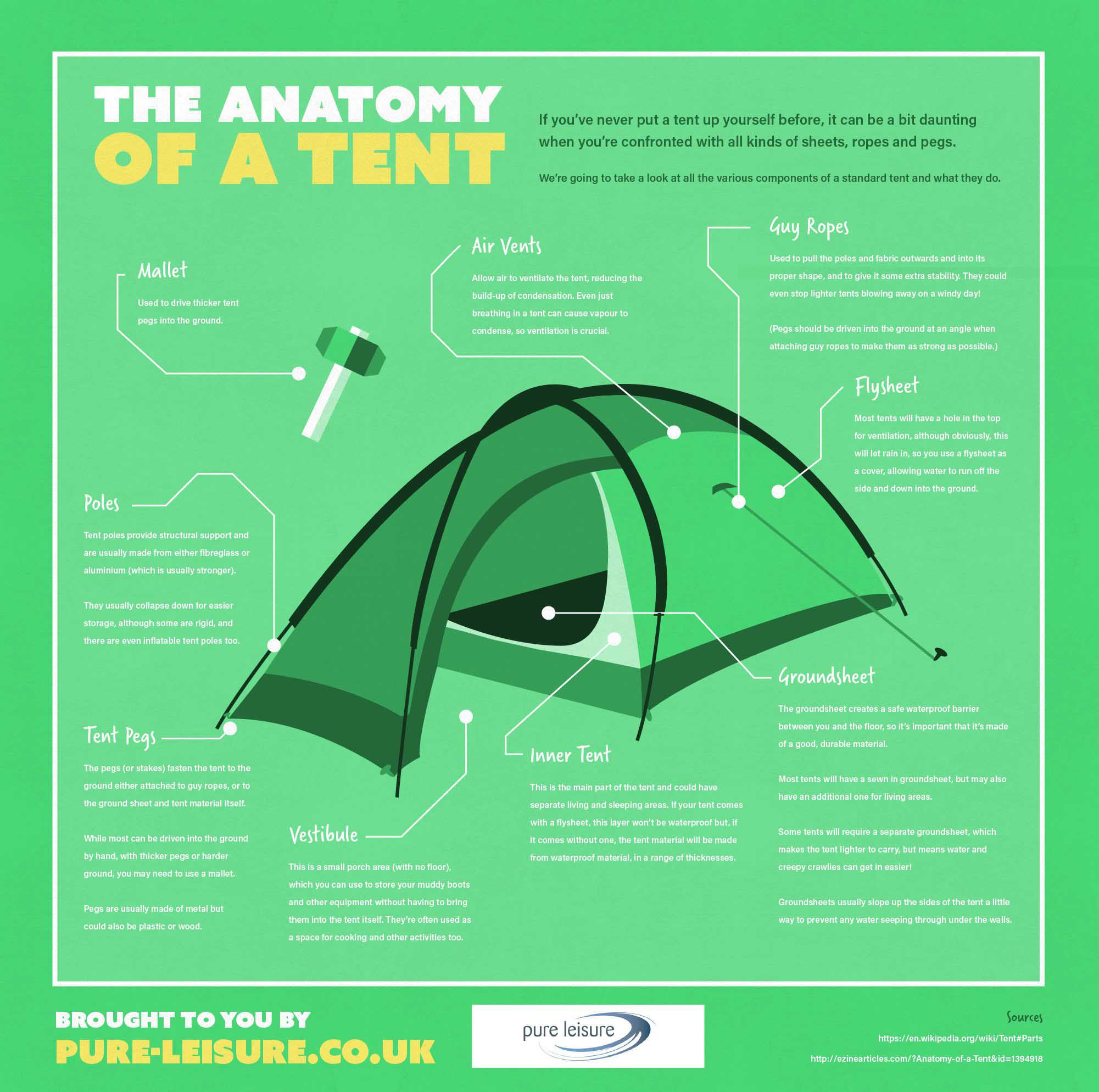
Getting up to damp wall surfaces is an unpleasant experience and can compromise the stability of your outdoor tents if left damp in time. Recognizing the elements that lead to condensation will certainly aid you avoid it.
Condensation types when cozy, damp air calls a great surface area. The breathable lining of canvas and cotton camping tents has great dampness absorption and handles condensation well.
Waterproofing
While a top quality canvas camping tent is naturally water-proof, it is necessary to reproof it occasionally to maintain its safety layer. Reproofing safeguards your outdoor tents against water damages, enabling it to stand up to harsh climate and reduce the danger of mold and mold and mildew.
If you desire your canvas camping tent to resist condensation a lot more, choose a campground that rises over ground degree or near bodies of water to raise air flow and promote correct air flow. Furthermore, prevent bringing any wet things inside your camping tent to minimize dampness accumulation. This includes wet apparel, footwear and gear. Instead, save them in the vestibule or an area outside of your outdoor tents.
For the very best results, consider utilizing a waterproofing treatment particularly designed for canvas like Hawk Equipment Canvas Waterproofer. This remedy features a simple roll-on application and is safe. It's additionally effective versus discolorations, dirt and bugs.
Air flow
When sourcing tents for tropical, seaside or summer-dominate markets, air flow is a major factor in convenience and end-user contentment. High temperatures and moisture can make encased spaces uneasy within mins without adequate air flow. Quality canvas camping tents made for moist environments offer breathable buildings with big mesh areas, broad door openings and numerous vent points enabling continual air exchange avoiding warmth buildup. Roofing vents play a crucial function releasing hot air that collects near ceilings.
Reliable cooling and ventilation techniques require thorough methods that integrate appropriate website choice, air flow optimization, and critical color management. Positioning tents to capture prevailing breezes makes best use of all-natural cooling while positioning tarps above tents blocking solar radiation before it heats interiors. Battery-powered fans enhancing air movement complement ventilation and cooling initiatives. Making use of multiple-use cold pack located inside pillow cases lowers condensation. Timing tasks to stay clear of peak warmth and applying pre-sleep air conditioning regimens better decreases inner heat retention.
Cold-weather environments provide a different difficulty. Totally sealing a tent insulates and protects against severe climate condition, yet it additionally produces serious condensation problems when cozy internal air meets cool external surfaces. Tents developed for severe conditions focus on regulated, marginal air flow over maximum openness to ensure heat and structural stability.
Tarps or Footprints
An outdoor tents impact is a ground cloth that lays beneath your camping tent to keep dampness and dust from collecting within. It's generally made from a resilient fabric and can be discovered in several different weights; Nguyen recommends picking one with a high denier matter for maximum resilience. The footprint should be flawlessly sized to fit your shelter's floor, which aids stop rainwater from pooling under the outdoor tents and developing mold and mildew and rot.
Nonetheless, camping tent footprints tend to be extra costly than general-purpose tarps, so they may not make good sense for everybody. The very best option for you will certainly depend upon the type of outdoor camping you're doing and where you're going. If you plan on backpacking with rough surface, for instance, a tent impact is a must to shield your canvas shelter. Otherwise, a basic tarp can be made use of as a double layer of protection versus surprise rain or snowfall. Just ensure it's thoroughly completely dry before saving it so you don't encourage the development of mold and other impurities.
Warmth
No outdoor tents can get rid of condensation entirely yet there are numerous means to reduce it. One of one of the most efficient is to set up your camping tent where air is not confined to a solitary low point on the ground. Air has a tendency to pool in dips and when it enters contact with the cold surface area of your tent it can swiftly turn to moisture.
A great area likewise helps by supplying natural wind breaks. Trees, hillsides and rock developments will aid to slow the tent footprint activity of wind, keeping it from covering your outdoor tents and producing moisture.